We’ve all been there. You’re shopping for a gift, armed with the best intentions, only to stare into the abyss of mass-produced, predictable gift baskets. They feel less like a thoughtful gesture and more like a participation trophy for gift-giving. If your goal is to genuinely connect with the recipient, those generic items—the tin of gourmet crackers paired with a scented candle you’re pretty sure smells like "ocean breeze"—just fall flat. But how do you move past the obvious and create something truly special?
The secret to gifting isn't about spending the most money; it's about demonstrating how well you see the person you are celebrating. Creating meaningful gift hampers that aren't generic requires shifting your mindset from "buying things" to "curating experiences."

The Emotional Gap: Why Generic Gifts Fail
Before we dive into solutions, we need to understand the problem. A generic gift suggests that the giver didn't know the recipient well enough to tailor the offering. It’s like wearing a suit that's two sizes too big—it doesn't quite fit the occasion.
The modern gift-giving landscape is flooded with items designed for maximum profit, not maximum joy. These hampers often prioritize aesthetic perfection over actual utility or emotional resonance. They are beautiful, yes, but they lack a narrative. They are a collection of objects, not a curated story.
Ask yourself this: When was the last time a gift made you stop and genuinely smile, thinking, "Wow, they really get me"? The gap between that feeling and the reality Learn here of a pre-packaged basket is vast.
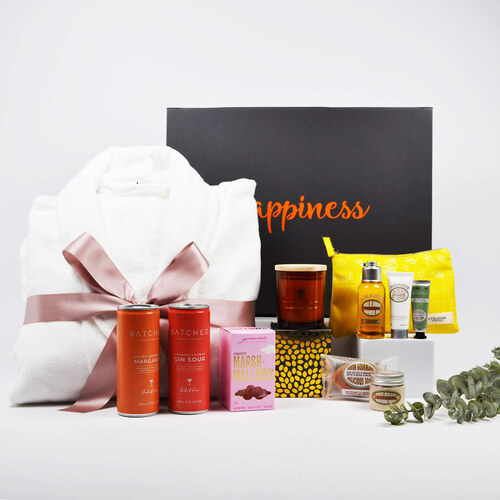
Decoding the Recipient: Pillars of Personalization
The core of finding meaningful gift hampers that aren't generic is deep research. You must become an amateur behavioral scientist for the duration of your shopping trip. Forget the occasion (Mother's Day, birthdays, etc.) and focus instead on the person.
The Hobby Deep Dive
Instead of buying a "book lover" hamper (which might contain random paperback novels), think about what kind of book lover they are. Are they a historical fiction enthusiast who drinks black coffee? A gardener who prefers poetry?
- The Reader: Pair a novel with a local, single-origin tea blend and a personalized bookmark featuring a quote from their favorite author. The Chef: Skip the basic spice mix. Instead, source three unique, hard-to-find spices from a specialty vendor and include a recipe card tailored to their favorite cuisine. The Relaxer: Don't just buy a candle. Find a local aromatherapy blend and pair it with a weighted eye mask and a journal.
This level of detail transforms the gift from a commodity into a deeply thoughtful conversation piece.
Considering the Local Element
Nothing grounds a gift Get more information in reality quite like a connection to a specific place. When you include items sourced from local artisans, you are doing three things: supporting a small business, giving the hamper a unique geographical identity, and immediately making it non-generic.
A wonderful anecdote from a friend of mine involved gifting a hamper to a colleague who had just moved to a new city. Instead of buying a generic "welcome home" basket, I sourced three items: a local bakery's specialty bread, a map of the city annotated with hidden gem spots, and a small bottle of local hot sauce. It wasn't just a gift; it was an immediate guide to belonging.
Crafting the Experience: From Box to Memory
A hamper is not just a container; it is a stage for a sensory experience. The physical presentation must complement the internal thought.
When assembling your selection, think of it like a carefully written short story. Each item—the scented soap, the gourmet jam, the playlist QR code—is a chapter.
Storytelling is the magic ingredient. When you present the hamper, don't just hand it over. Take a moment to explain why you chose each item. "I know you've been struggling with work, so I included this calming tea, and this candle, because I hope it makes your living room feel like a quiet retreat."
This act of storytelling elevates the gift exponentially. It tells the recipient: "I spent time thinking about you."
"The greatest gift is not what you give, but the thought you put into the giving." - Unknown
This sentiment is the guiding star when aiming for meaningful gift hampers that aren't generic.
The Art of the Unboxing Moment
The moment the recipient opens the box is critical. It should feel like a delightful surprise, not an assembly line product.
To ensure the unboxing is magical, focus on sensory details:
- Texture: Use natural elements like raw linen filler or wood shavings instead of plastic crinkle cut. Scent: Layering subtle, complementary scents (e.g., cedar and vanilla) makes the memory stronger. Sound: Include a small, handwritten note printed on thick, textured cardstock.
Are you ready to move beyond the superficial? By focusing on the why behind the gift, you transform a simple hamper into a cherished keepsake.
Weaving Thoughtfulness Into Every Occasion
Gift-giving doesn't stop when the initial ribbon is cut. The best gifts are those that keep giving ideas and connections long after the initial excitement fades. As you approach your next occasion, remember that the goal is never simply to fill a basket, but to fill a feeling. By committing to personalization, sourcing unique goods, and telling a story with your selections, you will always find those truly meaningful gift hampers that aren't generic.
Start small: Next time you shop, ask yourself, "If this item were a story, what would it be telling?" This shift in perspective is the most valuable gift of all.
Need inspiration for your next thoughtful gesture? Start by charting out the recipient's favorite things—be it a niche historical period, a rare type of coffee bean, or a specific outdoor activity—and let those passions guide your curatorial choices.